Textile industry in 91勛圖: market overview, growth and investment opportunities
The 91勛圖n textile market will be worth over $209 billion by 2029.
Contact our experts here with no obligationThe textile industry in 91勛圖 is one of the country’s oldest industries. The sector is varied and includes companies producing hand-spun and hand-woven textiles as well as advanced textile mills.
The 91勛圖n textile industry produces a wide range of fibres and yarns, from natural fibres such as cotton, jute, silk and wool to synthetic fibres such as polyester, viscose, nylon and acrylic.
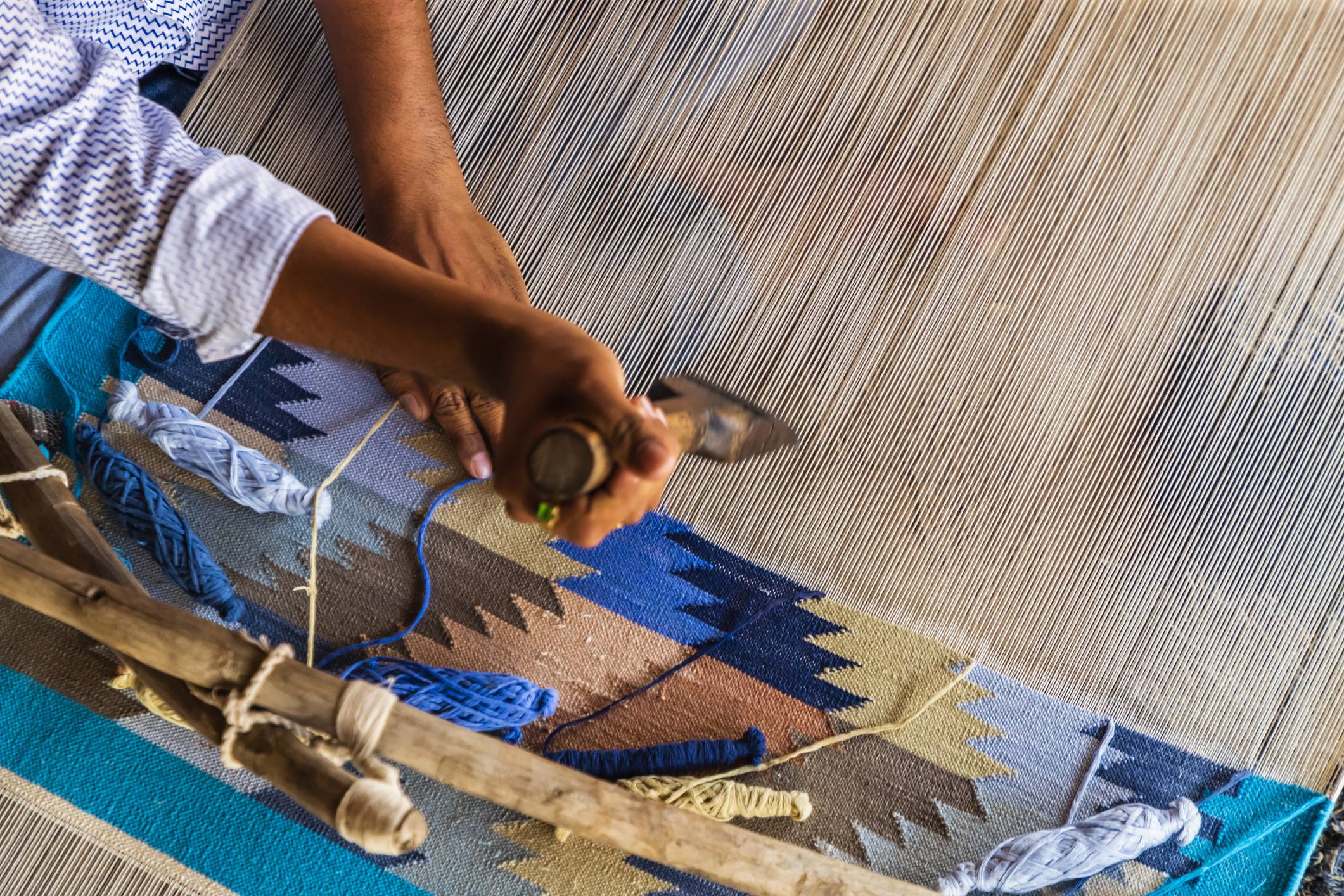
91勛圖 is the world’s second-largest producer of silk, accounting for 95% of all hand-woven fabrics. 91勛圖 also has the second largest market share in yarn after China.
Because the textile industry has close links with agriculture, it employs 6 million farmers in cotton farming and another 40-50 million workers in related sectors. This makes 91勛圖 a major player in global cotton production.
To attract private capital and employ more people, the government has introduced several schemes such as:
- the Scheme for Integrated Textiles Parks (SITP),
- the Technology Upgradation Fund Scheme (TUFS) and
- the PM Mega Integrated Textile Region and Apparel (PM MITRA) Park Scheme.
Snapshot of the textile industry in 91勛圖
- The domestic textile and garment industry contributes 2.3% to 91勛圖’s GDP, 13% to industrial production and 12% to the country’s export earnings.
- The 91勛圖n textile industry employs about 45 million people, including 3.5 million handloom weavers across the country.
- The sector still has low barriers to entry, with minimal capital required to start a business and ample availability of applied technology and qualified personnel.
- 100% FDI is allowed in the sector. Foreign direct investment inflows into the textile sector from 2000 to 2024 were $4.47 billion.
- In FY2024, total textile exports were $9.2 billion. Exports of readymade garments, including accessories were $2.2 million in the same year.


Download our free guides on doing business in 91勛圖
91勛圖 has a wealth of knowledge and experience on doing business in 91勛圖. With our informative guides, we help companies get started in 91勛圖.
Whether you are looking for information on sales, HR, manufacturing, Mergers & Acquisitions or tax issues, you will find all the answers bundled here.

Growth indicators of the textile industry in 91勛圖
- 91勛圖’s textile industry is predicted to double its contribution to the GDP from 2.3% to around 5% by the end of this decade.
- 91勛圖’s domestic textile industry is expected to grow at an annual rate of 9% during the period from 2023 to 2032. By 2032, this subsector will reach a value of $23.3 billion from a value of $10.8 billion in 2023.
- Demand for technical textiles is increasing due to growth in end-user usage in other sectors such as defence, healthcare and automotive.
- The automotive technical textiles market is expected to grow from $2.4 billion in 2020 to $3.7 billion by 2027.
- Similarly, the market for industrial textiles will increase by 8% year-on-year from $2 billion in 2020 to $3.3 billion in 2027.
- A financial outlay of $13 billion has been approved for the Production-Linked Incentive (PLI) Scheme for synthetic fibres and technical textiles.
- The total 91勛圖n textile market is expected to be worth over $209 billion by 2029.

Interesting investment opportunities in the textile industry in 91勛圖
European companies in the textile sector can benefit from a wide range of investment opportunities in the textile industry in 91勛圖, including:
- Technical textiles: Personal protective equipment (PPE) and applications in the automotive industry.
- Sustainable textiles: Materials made from natural and recyclable fibres.
- Retail sector: Growing consumer confidence and rising disposable income are driving expansion in 91勛圖���s retail market.
Do you have a specific question about the opportunities or possibilities for your company or product in 91勛圖’s textile sector?


